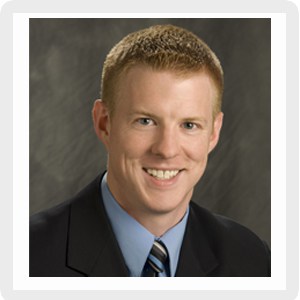
 Brian Boyle is the co-owner of Gaston Rehab Associates, Inc., an outpatient private practice specializing in preventative wellness, industrial/on-site physical therapy and ergonomics. After his practice skyrocketed with a combination of innovative on-site rehab programs, strategic alliances and marketing to decision makers, Brian decided to perfect the art of marketing on-site rehab programs. His company has a waiting list of businesses locally, regionally, and nationally for a unique and innovative program, Worksite Physical Solutions™.
Brian’s expertise in ergonomic assessment, functional job analysis/job description, functional capacity evaluation, and pre-work screen design, allow him to provide powerful, cost-effective solutions to employers of all sizes – saving those companies millions of dollars in direct and indirect costs adding to their overall bottom line.
Brian is on the nominating committee for the Private Practice Section of the APTA, a founding circle member of the Physical Therapy Business Alliance, and the Chair of the NCPTA Private Practice SIG.
I interviewed Brian and asked him six key questions.
- Why did you get into private practice?
- How hard has your struggle been?
- What have been your biggest sacrifices?
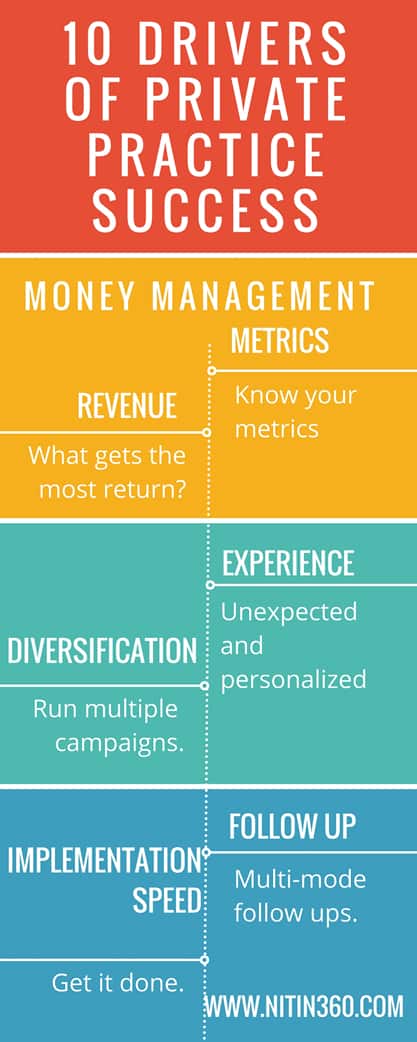
- What are the biggest mistakes you’ve made when building your practice?
- What is the advice you’d give to someone looking to grow their practice?
- What is the most important attribute you’ve had to develop to grow your practice?
The ability to actually get physicians who refer to our office in our area was a big struggle. So what we decided to do was to get outside of the clinic and go after the employers, we go after business that actually had a need instead of waiting for someone to actually refer to us. We decided to go out and get business ourselves. It is a big struggle for the reason that we’re not really taught in PT school how to get out of the clinic and go after business. And I think that the biggest struggle that we had was, do we do this to survive and what does survival looks like? Do we want to be around in 5 – 10 years, or just give in and close up shop.”
Brian: “The sacrifice is always being gone and away from family. You never having seemingly enough time in the day to get everything done. Being away from family is always very difficult. This is one of the sacrifices that you must have to do in order to be successful. Being away from my wife and my 2 1/2 year old child is especially difficult.” Brian: “I can look back and I can pinpoint some pretty good mistakes. You know, at that time we didn’t use metrics. We really did not measure a lot of things. We thought, well, we’ll go big or go broke and I think there were better ways we could have done some things. I think that is one of the biggest mistakes and probably another was not focusing on a particular market. We should have not focused on trying to be everything that everyone wants which didn’t really worked out well. And it took us a little while to figure this out and to find our place and where we want to be.” Brian: “Well, I have to tell them they have to follow their passion. You know it was interesting when I was attending PT school and I thought I am going to work with all athletes and thought that would be great. In reality, there’s far more people who are not an athletes and I realized that my passion is to help others in whatever ways they need to be helped. I think when you have the passion and the fire to do something, that is the best place to start with. When you have that passion, go after it. It won’t be like work anymore but more fun on the things that you want to do.” Brian: “I think the ability to sell yourself and not only yourself but sell your passion and sell what you do is probably one thing that’s overlooked. A lot of PTs are very good at the therapy treatment side of things and says, “Gosh I’m not a very good sales person”, and whether you believe it or not, it is sales.Whether you’re selling yourself to patients or you’re selling your services to peers, it’s all a sales process. Selling is how the physical therapy business grows and I believe that people don’t like to be sold but they love to buy. It can be in any form, whether buying a product from you and your services or just buying into you or believing. People are looking at ways that can improve themselves and their services and business. Learn to be a better salesperson at all level and build relationships and you’ll do much better than you currently are.
Brian ended the interview on a high note: “There are endless possibilities. It really just depends on being able to find the needs of your client and build/deliver around those solutions that you come up with for those needs. Some of these clients are saving millions of dollars per year with on-site wellness programs, so why can’t we be that solution for them?”
Although most physical therapists know about ergonomic protocols and provide this type of care as clinicians, there is no blueprint to market these services . Consistent with the Triple AIM initiative, the idea is to improve quality with measurable outcomes, improve the patients experience and reduce cost per capita.